



 Winter storms in Rhode Island can bring heavy snow, ice, freezing temperatures and power outages. Use this simple checklist to help keep your family safe and your home comfortable before, during, and after severe winter weather.
Before the storm.
Watch the forecast
- Check weather updates frequently
- Be aware of winter weather watches and warnings
- Make travel and emergency plans ahead of time
Prepare your home
- Inspect storm windows and doors for drafts
- Clean leaves and debris from gutters
- Test smoke and carbon monoxide detectors
- Check heating fuel levels
- Schedule any needed heating system maintenance
Get vehicles ready
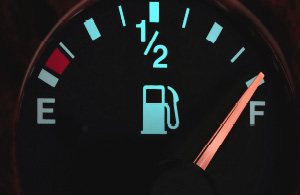
- Fill gas tanks
- Check antifreeze levels
- Move vehicles to a garage or protected area when possible
Pack an emergency kit with:
- Flashlight
- Water and snacks
- Warm clothing and blankets
- First aid supplies
- Rock salt
- Shovel
- Tire chains, if needed
Gather emergency supplies
- Store at least one gallon of water per person per day
- Keep nonperishable food on hand
- Refill prescriptions
- Stock extra batteries
- Have a flashlight and NOAA weather radio available
- Keep a fire extinguisher nearby
- Make sure you have snow-removal equipment and ice melt
During the storm.
Stay inside when possible
- Monitor weather alerts
- Avoid unnecessary travel
- Keep emergency supplies within reach
Protect your plumbing
- Allow faucets to drip during extreme cold
- Open cabinet doors under sinks to circulate warm air
- Know where your main water shutoff valve is located
Be ready for power outages
- Use generators only outdoors and far from your home
- Never leave candles unattended
- Keep phones and emergency devices charged
Care for pets
- Bring pets indoors or provide warm shelter
- Ensure access to fresh food and water
After the storm.
Stay alert to hazards
- Watch for icy walkways and roadways
- Use caution when clearing snow and ice
- Take frequent breaks while shoveling
- Stop immediately if you feel dizzy, nauseous, or short of breath
- Dress in warm layers and cover exposed skin
A little preparation can go a long way when winter weather strikes. Taking steps now can help protect your home, your heating system, and your family’s comfort throughout the season.
Source: National Weather Service